
Every year, billions of Naira in scholarships go unclaimed or are awarded to students who simply knew where to look and how to apply strategically. As a Nigerian student — whether you are in SS3, 100 level, 200 level, or preparing for postgraduate studies, scholarships can dramatically reduce or completely eliminate the financial burden of your education.
Finding and winning scholarships is not luck. It is a skill that can be learned. This comprehensive, up-to-date guide (over 2,800 words) will walk you through everything you need to know in 2026/2027: where to find genuine scholarships, how to prepare strong applications, how to write winning essays, common mistakes to avoid, and a practical action plan.
Why Scholarships Are Crucial for Nigerian Students in 2026/2027
The cost of university education in Nigeria continues to rise. Private universities charge between ₦500,000 and ₦2.5 million per session, while even federal universities now have significant additional charges. Scholarships help bridge this gap and allow talented students from low-income families to focus on their studies instead of survival.
Beyond money, winning a scholarship boosts your CV, provides networking opportunities, and sometimes includes mentorship and leadership training.
Types of Scholarships Available to Nigerian Students
Understanding the categories helps you target the right ones:
- Undergraduate Scholarships — For 100–200 level students (MTN, Stanbic IBTC, Jim Ovia, etc.)
- Postgraduate Scholarships — Master’s and PhD (Chevening, Commonwealth, Fulbright, PTDF, DAAD)
- Corporate Scholarships — Funded by companies (SEPLAT, Agbami, NNPC/Total, Shell, NLNG)
- Government Scholarships — Federal Bilateral Education Agreement (BEA), State Government awards
- Need-Based Scholarships — For students from low-income families or specific regions
- Merit-Based Scholarships — For students with excellent academic records
- Special Category Scholarships — For females, students with disabilities, or host community students
Step 1: Build a Strong Foundation Before Searching
Before applying to any scholarship, prepare these documents:
- WAEC/NECO results (original and scanned)
- JAMB result and admission letter
- University transcript or statement of result
- Valid means of identification (NIN, Voter’s Card, International Passport)
- Birth certificate or declaration of age
- State of Origin / Local Government certificate
- Passport photographs (white background)
- Recommendation letters from lecturers or HOD
- Bank statement or proof of financial need (for need-based awards)
Pro Tip: Create a dedicated Gmail account (e.g., yourname.scholarships@gmail.com) and a folder on Google Drive for all scholarship documents.
Step 2: Where to Find Genuine Scholarships in 2026/2027
Reliable Sources:
- University Scholarship Offices / Student Affairs Division — Many opportunities are announced here first.
- Official Company Websites — MTN Foundation, Stanbic IBTC, SEPLAT, Shell, Chevron, Agbami, NLNG, etc.
- Federal Ministry of Education Scholarship Portal — scholarship.education.gov.ng
- State Ministries of Education — Especially for indigenes scholarships.
- International Scholarship Portals — Chevening.org, British Council, DAAD, Fulbright, Commonwealth Scholarship Commission.
- Reputable Blogs & Aggregators — ScholarshipAir, Scholars4Dev, ScholarshipTab.
Pro Tip: Create a spreadsheet with columns: Scholarship Name, Deadline, Eligibility, Benefits, Link, Status.
Step 3: Step-by-Step Application Process
- Research Thoroughly — Read eligibility criteria carefully. Only apply if you fully qualify.
- Tailor Your Application — Never use a generic essay. Customize every personal statement.
- Meet Deadlines — Submit at least 7–14 days before the closing date.
- Proofread Everything — Typos and grammatical errors can disqualify you.
- Track Applications — Keep records of every submission.
- Prepare for Interviews — Many scholarships have interview stages.
Step 4: How to Write a Winning Scholarship Essay / Personal Statement
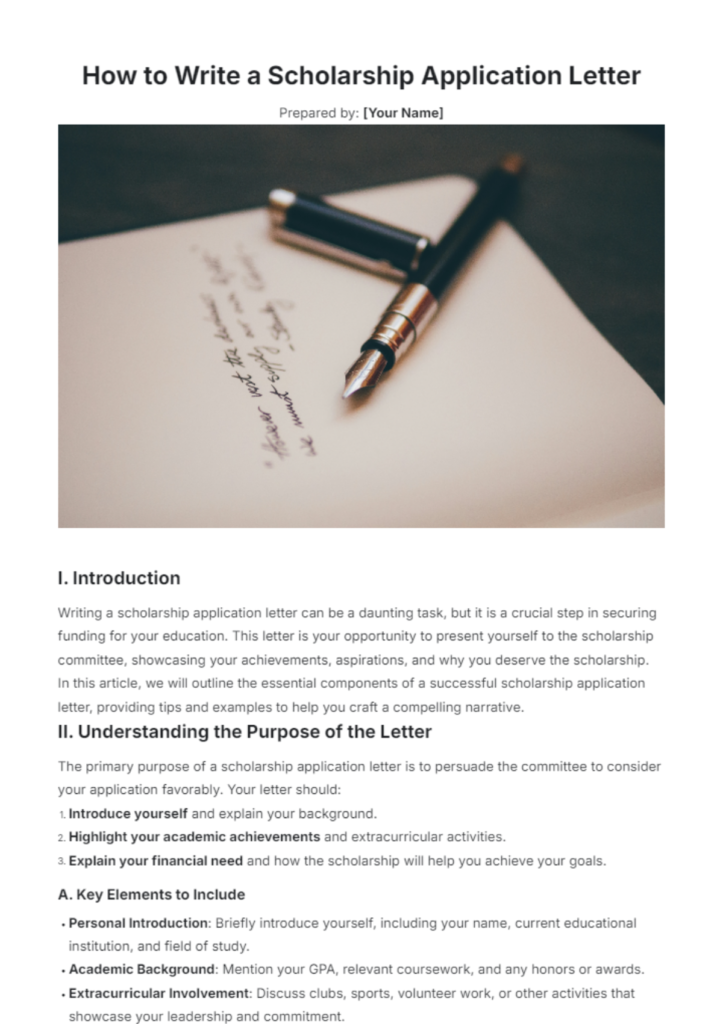
A strong essay can set you apart. Structure it this way:
- Introduction: Start with a compelling personal story or challenge you overcame.
- Body: Highlight academic achievements, leadership experience, community service, and financial need.
- Future Goals: Explain how the scholarship will help you achieve your dreams and contribute to Nigeria.
- Conclusion: Reaffirm your commitment and gratitude.
Key Tips:
- Be authentic and specific.
- Use clear, simple language.
- Stay within the word limit.
- Show impact, not just activities.
Step 5: Proven Strategies That Increase Your Success Rate
- Apply to 8–15 scholarships per cycle.
- Maintain a strong CGPA (3.5 and above is competitive).
- Build leadership experience through volunteering, clubs, or projects.
- Network with past winners for guidance.
- Start preparation 6–9 months before peak application season.
Common Mistakes Nigerian Students Make
- Applying late
- Using generic essays
- Submitting low-quality scanned documents
- Ignoring specific essay questions
- Falling for scam agents who promise guaranteed awards
- Not proofreading applications
6-Month Scholarship Application Calendar (2026)
- January – February: Gather documents, improve CGPA, draft essays
- March – May: Apply for corporate and local scholarships (MTN, Stanbic IBTC, SEPLAT, etc.)
- June – August: Federal and state government scholarships
- September – December: International scholarships (Chevening, Commonwealth, Fulbright, DAAD)
Final Thoughts
Winning scholarships as a Nigerian student in 2026/2027 is very achievable if you are organized, consistent, and strategic. The opportunities exist — from local corporate awards to fully funded international programmes.
Start today. Create your scholarship tracker, begin drafting your personal statement, and commit to applying to multiple opportunities. One successful scholarship can change the trajectory of your education and future.
Related Articles on Our Blog:
- Scholarship Opportunities for Miva University Students
- Postgraduate Scholarships for Nigerian Students 2026/2027
- MTN Foundation Scholarships for Nigerian Students
- How to Study Abroad on Scholarship as a Nigerian Student
Share this guide with friends and coursemates. Drop your current level, course, CGPA, and the type of scholarship you’re targeting in the comments and I’ll be glad to give you personalized recommendations.
Your breakthrough scholarship is closer than you think. Start preparing now!

My name is Abdulrazaq Yahaya, also known as Razach. I studied Electrical and Electronic Engineering at the Federal Polytechnic Idah, Kogi State.
I created this blog, Razach Telecoms, to share helpful and practical guides on admissions, scholarships, and job opportunities. These are the exact resources I struggled to find when I needed them the most. My goal is to make the process easier for students and young professionals by providing the information I wish I had during my own journey.